laura caraballo

Felipe Velasco

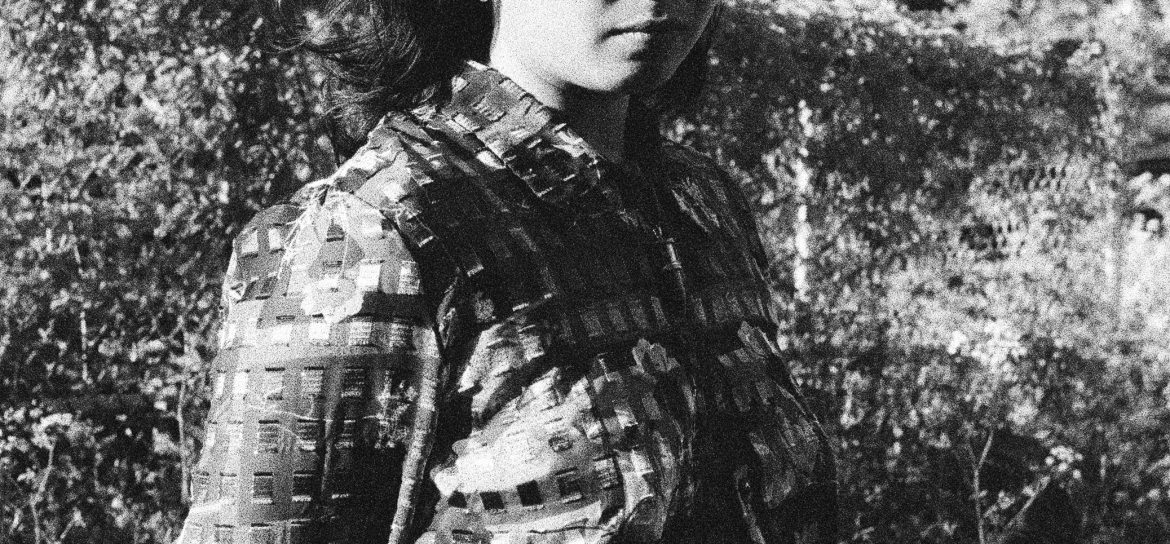
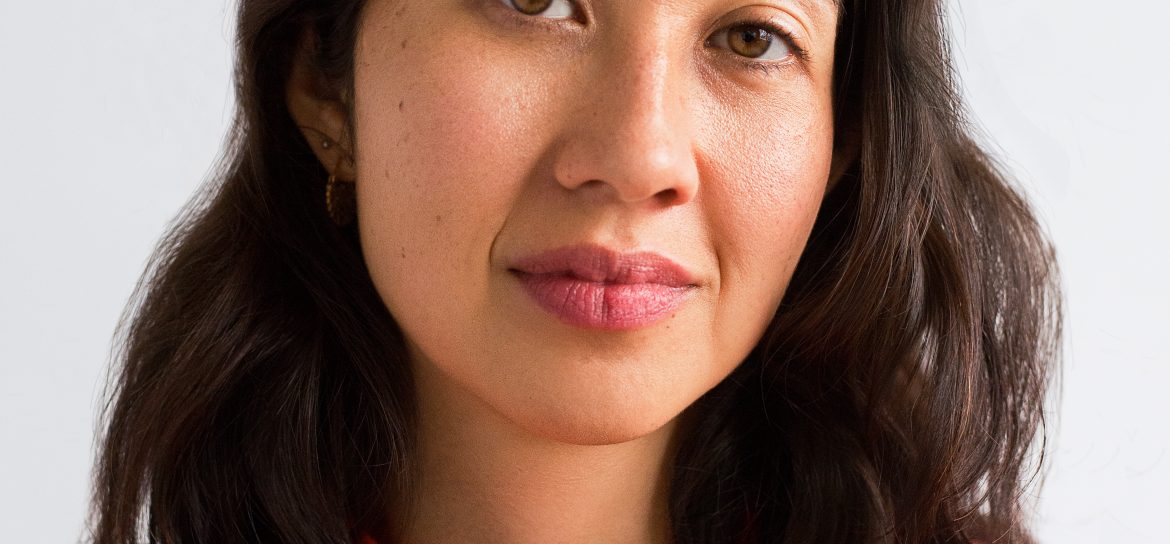
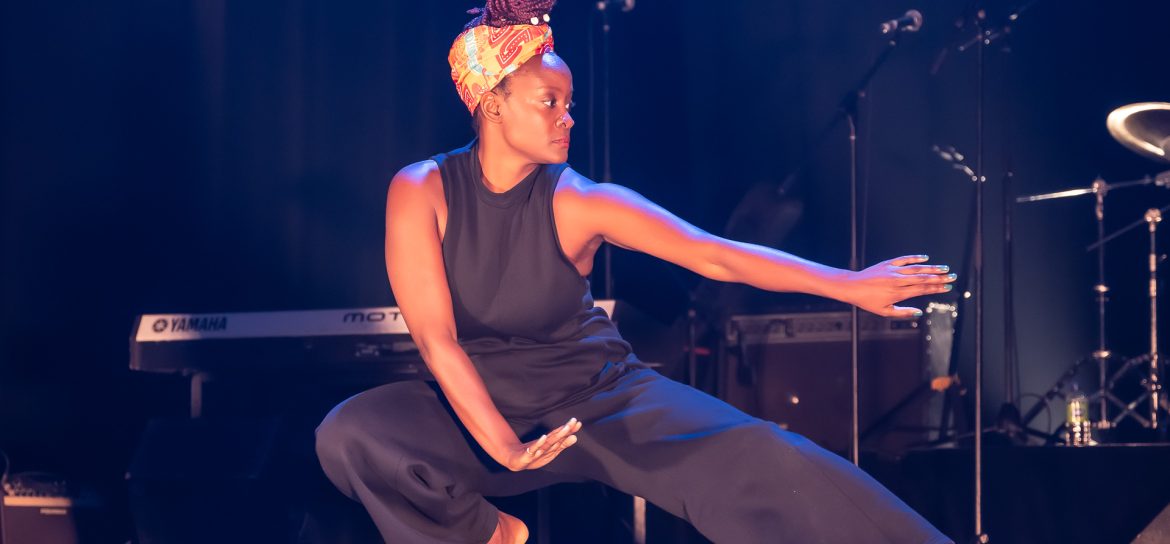
Laura Caraballo is an interdisciplinary artist born in Bacatá [Bogotá] and based in Tiohtià:ke [Montréal]. Her work explores the use of technology to reimagine and create interactive and sensorial, physical, and virtual spaces that represent and engage communities in meaningful conversations. She is particularly interested in examining how we shape, and are shaped by, the spaces we inhabit within a temporal context while exploring themes of home, memory and consciousness.

Deeply influenced by her upbringing in Bogotá, Laura infuses satire and grunge into her work as a means of processing emotions and experiences. Her time in Montréal has further shaped her career, encouraging a bold embrace of experimental aesthetics and unconventional narratives.

Laura works with a variety of new media art forms, including 3D sculpting, virtual reality, and mixed-media installations, with experimentation as the cornerstone of her practice. She views new media art as a powerful tool for cultural retrieval, resilience, and preservation, particularly for those in the diaspora, creating accessible spaces for connection and knowledge-sharing.

For the PRIM | MAI residency Laura seeks to develop her next project “Tributo A un Perro Libre” a two-channel two-voice audiovisual installation exploring the dynamic interplay between adhd and courage in the context of immigration.

“Tributo A un Perro Libre” is the story of a dog full of dreams. A dog born into a dog-eat-dog world. But this dog doesn’t bite. This dog has ADHD. Misunderstood. Misplaced. Overflowing with love. Overflowing with fear. But above all else, always a free dog.
rayanne fawaz + chanel cheiban

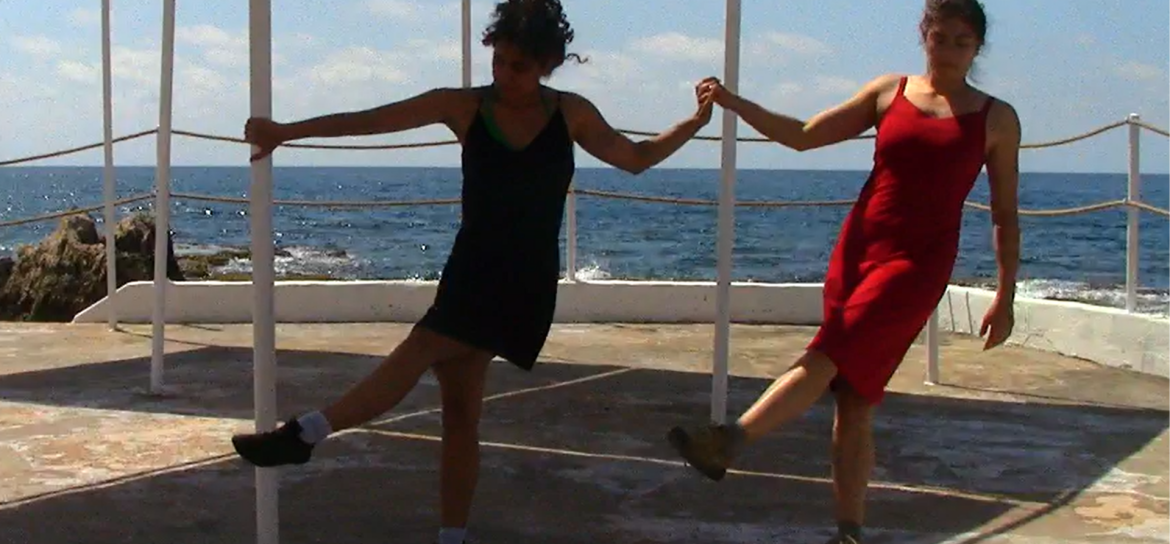
Rayanne Fawaz and Chanel Cheiban are the recipients of the 25.26 CAM + MAI Joint Support Program.

Open to professional choreographers from culturally diverse backgrounds, the mentorship program offered annually by the Conseil des arts de Montréal and MAI (Montréal, arts interculturels) aims to foster the development of dance artists living in the territory of Montreal and to support them in a process of research, creation, and production of work.

This joint support program offers the selected artist a package of mentorship and support, including a $5000-10,000 stipend and hours at the CAM and MAI rehearsal studios.

The artist is invited to carry out an artistic and technical residency in the MAI studios and to present in season 26.27.


Rayanne Fawaz is a choreographer, performer, and dance researcher from Lebanon, currently based between Montreal and Beirut. Trained in classical ballet in Beirut, she holds a Bachelor’s degree in Bioresource Engineering from McGill University. In 2024, she shifted towards professional dance, developing a practice that explores memory, migration, and the dance forms of the Levant, particularly dabke. She has participated in residencies in Beirut and Montreal. Her work approaches tradition as living matter, intertwining oral archives, everyday gestures, and community dances. Her interest in dabke stemmed from her studies of sustainable agricultural practices in Lebanon, where she rediscovered the repetitive everyday gestures in local dances, thereby questioning the movement’s origins.

Originally from Lebanon, Chanel Cheiban works as a choreographer and performer in a variety of artistic projects in Tio’tia:ke (Montreal). She holds a diploma in contemporary dance from Collège Montmorency, a CID-recognized certification from UNESCO in the BIGBANG training program, and is a graduate of the École de danse contemporaine de Montréal. Chanel also practices the art of the qanun, an Oriental stringed instrument from the zither family.

In January 2025, she will present her multidisciplinary work El kamar bi zaher at Tangente, which she choreographed and performs, as well as PLAYGROUND, co-created with Maude Laurin-Beaulieu in 2022. She also founded Wholeness Mouvement in 2020, a dance video project in collaboration with Étienne de Durocher, which allowed her to develop her skills as an artistic director, director, and self-taught video editor. Chanel Cheiban explores processes of cultural transmission, interactivity in dance, and the intersections between traditional practices and contemporary languages. She reflects on how to revive rituals and traditions while creating moments of collective unity and individual authenticity.


Buzur is a multidisciplinary project by Fawaz and Cheiban which unfolds through two complementary components: a documentary project and a choreographic creation. This collaboration aims to create a space for co-creation, memory and reinvention, and resistance, in connection with diasporic realities and current struggles, the ongoing genocide in the Middle East, and the colonial past.


eric leong

Vera Oh

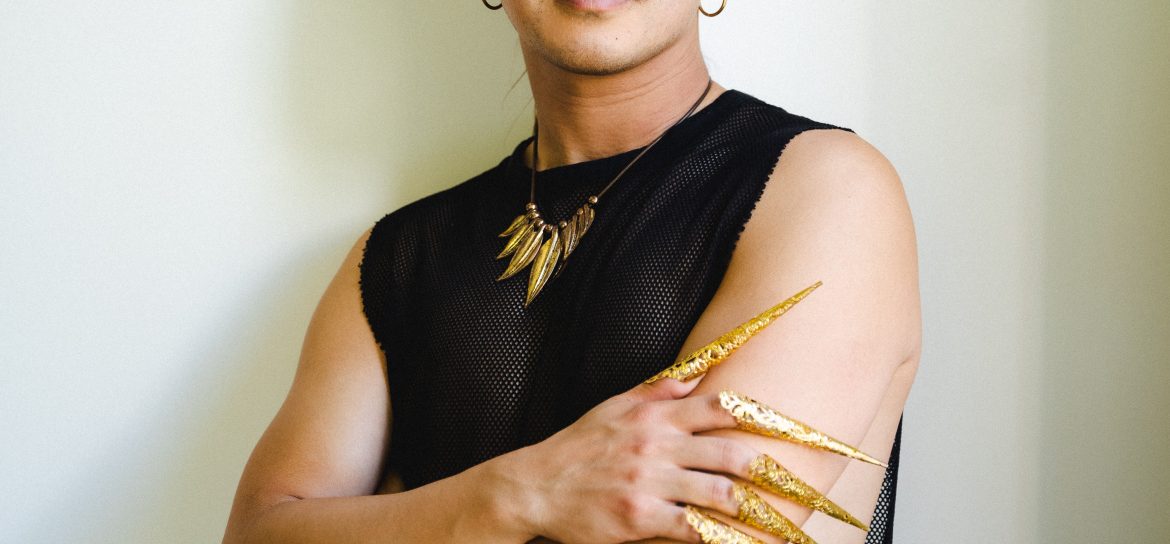
Eric Leong (they/he) is a queer artist of Chinese-Bruneian descent who performs as Komodo. Their artistic journey began with over a decade of classical piano training through the Royal Conservatory of Music, later evolving into an autodidact dance practice spanning salsa, voguing, whacking, and burlesque. As the founder of Paifang, a queer cultural event series in Montreal’s Chinatown, their artistic practice is deeply rooted in community, exploring themes of intergenerational connection, queerness, and diasporic identity.

Queer Diasporic Movement: Blending Whacking & Chinese Folk Dance to Taiwanese Campus Folk Songs is a dance project that reimagines Taiwanese Campus Folk Songs (校園民歌) through the lenses of memory, queerness, and intergenerational connection. Bringing together Chinese-speaking seniors and queer diasporic youth, the work fuses Chinese Folk Dance with Whacking—a queer dance style born in 1970s Los Angeles—to create a vibrant dialogue between tradition and self-expression.
Originally written by Taiwanese university students during the martial law era, Campus Folk Songs blended poetic lyricism and folk-inspired melodies. They became deeply rooted in the Mandarin-speaking diaspora, carrying stories of love, longing, and migration across generations. For many Chinese Canadians, these songs embody a bridge to homeland and family memory.
This project aims to explore these nostalgic melodies via embodied storytelling through the intersection of the elegance and symbolism of Chinese Folk Dance and the expressive flair of Whacking. The envisioned result is a choreographic exploration of belonging, identity, and the possibility of new cultural futures—honouring ancestral aesthetics while amplifying queer diasporic voices that resonate across generations.

stella lemaine

© David Ospina

Stella Lemaine is a Montreal-based interdisciplinary artist of Haitian descent whose practice lies at the intersection of performance, dance, and documentary film. Her work explores the body as a site of memory, resistance, and transformation. By weaving together archives, movement, and storytelling, she seeks to make visible the invisible traces of colonialism and to open spaces for collective healing.
Graduated in acting from UQAM’s Theatre Department, Stella first presented her debut documentary at the Montreal Black Film Festival. Documentary filmmaking became a medium through which she refined her gaze on intimate and political narratives. Her practice later expanded to the stage, performing in various theatre productions such as L’Ombre, directed by Marie Brassard and presented at Canada’s National Arts Centre, and to dance, through her training in Haitian folkloric dance at the Nyata Nyata Center.

Her project Corps Noirs, initiated in 2023, marks a turning point in her artistic journey: a documentary performance rooted in research on Black bodies, their invisible wounds, and their resilience. Inspired by somatic practices and decolonial thought, the work explores the possibility of rewriting memory through movement and embodied presence.

As an Afrofeminist and socially engaged artist, Stella envisions creation as an act of resistance and repair. Her work is nourished by a deep quest for humanity, a poetic relationship with reality, and a constant desire to build bridges between the personal and the political.


joliz dela peña

© Vincent Bolduc

Joliz Dela Peña, also known as JDP 2009, is a self-taught interdisciplinary artist and a cultural worker born in the Philippines, now based in Tiohtià: ke/Montreal. Intimate connection to memories, identity, and immigration are recurring themes in Dela Peña’s practice. Through performance accompanied by installations, she pursues to relive realities, explore its complexities, and translate invisible tension/s into various visual and tactile qualities.
Shown in her work, she attempts to translate fragmented memories from her personal life as first-generation immigrant, drawing also from intersecting experiences, in order to construct an emphatic perspective. Her aim extends beyond mere contemplation, encompassing a dimension of activism.
Dela Peña’s work has been presented at various festivals across Quebec and Canada, including Art Souterrain Festival (Voies/Voix Résilientes, 2022), OFFTA (2023), Art in the Open PEI (2023), and Vibrance et Vacarme in the Bas-Saint-Laurent region (Caravanserail, 2024). Most recently, Dela Peña presented her work internationally in León, Mexico (Performance es utopia, 2025).
Just wanted you to know is a video installation series composed of durational performance works to be developed between Dela Peña’s home country, the Philippines, and her second home, Quebec. At its core, the project anchors itself in the dual identity of being both an immigrant in Canada and a non-official citizen of her birthplace. The work not only embodies a yearning to be heard but also serves as a direct statement addressing the social and political conditions that shape each performance.
Through long-duration performance, accompanied by the mundane wallpaper of both countries, Dela Peña will explore how gestures, fatigue, and presence become vessels for memory, survival, and resistance where art itself transforms into a form of protest, and performance is not merely a rehearsal for reality. This artistic research is deeply tied to her engagement as a youth activist, reflecting on the long history between the Philippines and imperialist powers. Ultimately, this project aims to embody a mix of softness and militancy. Dela Peña seeks to move, unsettle, and awaken empathy, transforming personal testimony into a shared call for understanding and change.

kalun leung

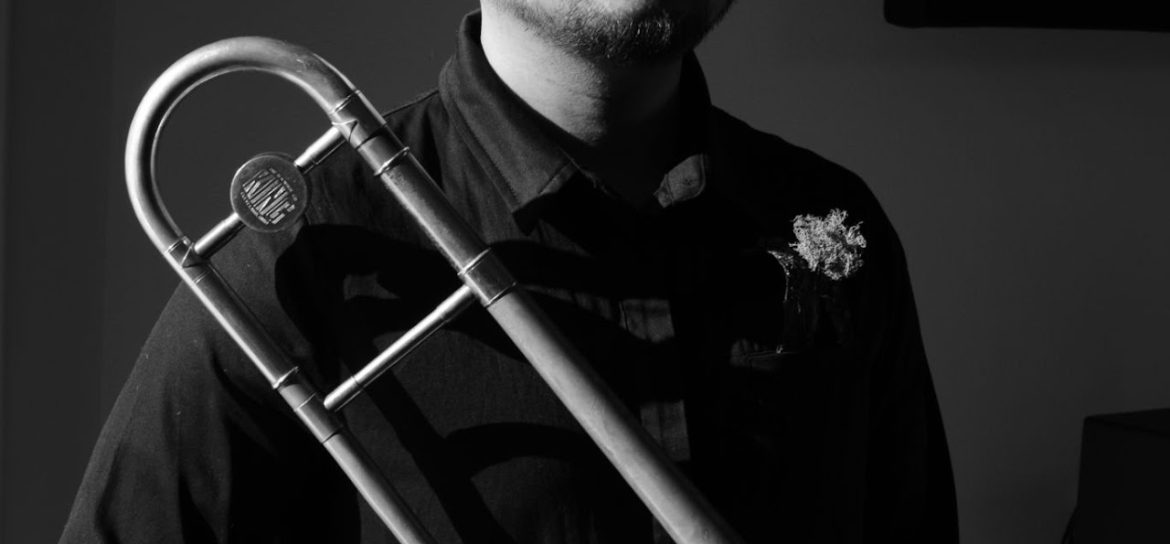
Kalun Leung is a Hong Kong–born, Tiohtià:ke/Mooniyang/Montreal-based performer-composer and trombonist whose transdisciplinary practice navigates the intersections of sound, movement, architecture, and cultural identity. His work prominently features the mubone—an augmented instrument he developed with creative technologist Travis West—as a tool for exploring embodied sonic performance through space and gesture. During his Alliance residency, Leung will develop Love Letters to a Third Culture Kid, an interdisciplinary solo audiovisual performance exploring his Hong Kong-Canadian immigrant identity through personal archives, movement, and spatially processed sound. The third work in a trilogy of autobiographical performances, Love Letters continues Leung’s research-creation practice that weaves together memory, diaspora, and intergenerational narratives.

Leung holds a Master of Music from McGill University and a Professional Studies Diploma from The New School in New York. He has collaborated with artists including Meredith Monk, Anthony Braxton, George Lewis, Sunny Jain, and the Experiential Orchestra (Grammy Award, 2021). His interdisciplinary work spans sound and movement duo ék with Émilie Fortin, live foley and mime performance, and sourdough sound installations with Felix Del Tredici. He co-leads the mobile experimental marching band Ambient Parade, performs in the improvising trio Williwaw, and has worked with the Martha Graham Dance Company, Orchestra of the Americas, and Ratchet Orchestra.

His work has been presented at festivals and venues including the Festival International de Musique Actuelle de Victoriaville (FIMAV), Carnegie Hall, Guelph Jazz Festival, Cologne Jazzweek, UNHEARD Music Festival (Hong Kong), and NYC Winter Jazzfest. He was awarded the Kranichstein Music Prize at the Darmstadt Summer Course in 2025 and has received support from the Canada Council for the Arts, Conseil des arts et des lettres du Québec, and the Conseil des arts de Montréal.

sam lee

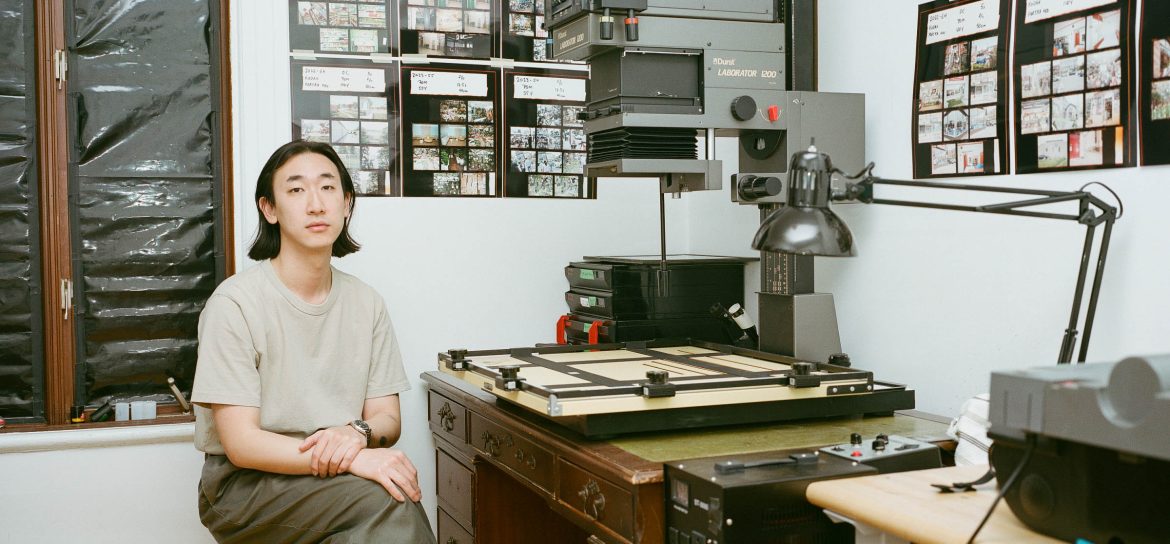
Sam Lee (he/him) is a Korean-Canadian documentary photographer currently living and working in Montréal. Through visual investigations of the bizarre and surreal in everyday life, his practice investigates the concepts of collective memory and nostalgia, often through a diasporic lens. He prefers traditional photographic processes, shooting primarily on medium format and large format colour negative film and making optical c-prints in hiscolour darkroom. Sam was selected to participate in the 2024 cohort of ARTCH. Later in 2025, he will produce his first solo exhibition at the Etobicoke Civic Centre Ascent Gallery. His work has been exhibited, published, and funded by various Montréal-based arts organizations.

leah evangelista woolner

Leah Evangelista Woolner is a Filipina-Canadian visual artist and community organizer. Her artistic practice explores themes of belonging, desire, storytelling, and relationships with the natural world through painting, mixed media collage, and video installation. Leah continues to (un)learn and be inspired by her relationships with diasporic communities and interspecies beings. She holds a Bachelors of Fine Arts from Concordia University (2012) and lives in Montreal.

Her project explores the materials, symbols, and imagery of woven textiles from the Philippines. Through her artistic practice, she is curious about the embodied practices, cultural memory, and ecological relationships illustrated through the content and materials of these fabrics.

mithra (myth) rabel

Mithra (Myth) Rabel, a passionate performer, choreographer, and teacher of Haitian origin, has been enriching the Tiohtià:ke/Montréal dance scene for over 20 years. Her artistic journey began on the salsa scene, where she perfected her technique and distinguished herself among her peers. Her passion for movement led her to house dance, becoming a leading figure in the street dance community. For over a decade, she has set dance floors alight and passed on her passion through teaching, learning from the biggest names on the international scene to shape her art with grace and innovation.

Her project “Speakeasy” is a profound introspection inspired by house dance, harmoniously fusing dance, music, and poetry. In this work, I question body memory and its role in shaping the future. I invite the audience to plunge with me into the essence of existence and artistic expression, offering a captivating and emotional experience. The first stage of this project, lasting 10 minutes, was presented at Tangente’s Soirées 100lux last March. It was received with great enthusiasm and left the audience wanting more.

transpacific express

Meeting in China through a McGill language exchange program, Elsasoa Jousse and Frantz Lin created Transpacific Express (TE) over their mutual interest in Asian and African American solidarity movements of the 60s and Asian-language hip-hop. TE continues the spirit of these historical predecessors in celebrating and building linkages between global BIPOC youth cultures. The collective launched its first music curation event in Fall 2019 with inaugural keynotes from scholars of global Asian media, showcasing its sincere and serious approach to pop culture deeply informed by media and cultural studies.

Transpacific Express are El, Frantz, and Celia Benhocine, lifelong musicians trained in classical, jazz, and r&b. In the five years since its inception, TE has integrated into the Montreal cultural milieu with commissioned works in music curation and performance for MAI, Festival Accès Asie, YATAI MTL, POCHA MTL, Korea And The Youth Culture Festival, and the RIDM International Documentary Festival. These performances have taken the form of DJ sets with MCing and singing, as well as artist talks on music history. In events produced by the collective, TE pushes for sonic-visual integration through simultaneous DJing and VJing with anime-style figurative visuals.

Currently, TE aims to further develop its capacity for embodied visual expression to build a more interdisciplinary media practice, on top of music as its core discipline. By doing so, the collective aims to amplify its unique approach to global pop culture that emphasizes the mutual convergences between Black Atlantic music & dance and East Asian visual culture, seeking to break from silo-ed perceptions of its work as serving any single demographic community.