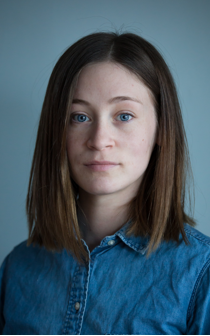
alexis bulman
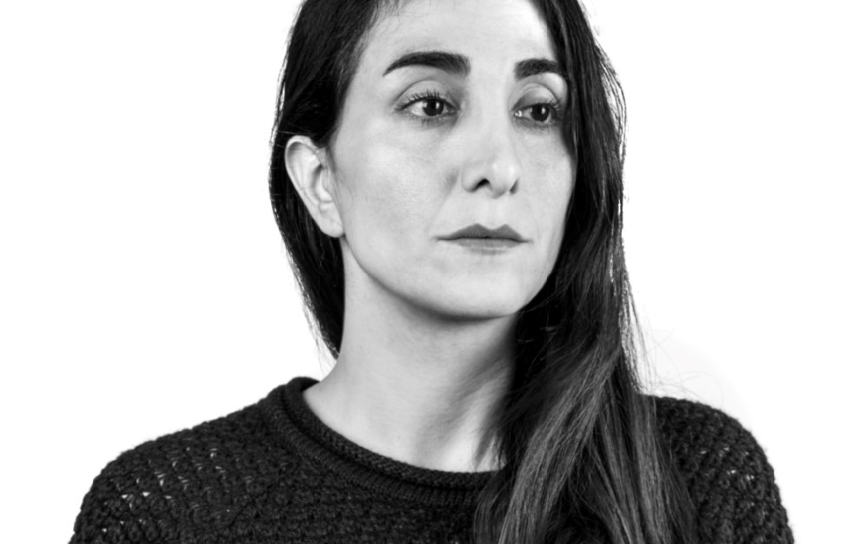
Anahita Norouzi (born in Tehran in 1983) is originally from Iran and lives in Montreal. Her interdisciplinary practice spans from spatial installations to sculpture, photo, and video-based works. She holds degrees in Fine Arts and French Literature from Concordia University in Montreal.
For the past ten years, she has traveled often between Iran and Canada to conduct her research and pursue her work, which investigates the condition of displacement in relation to notions such as memory, migration and identity. She actively questions the dichotomous conditions provoked by her particular perspective – as an Iranian citizen and distant observer, from Canada, of her culture of origin.
Anahita Norouzi has taken part in several individual and collective exhibitions internationally. Most recently she has had shows in Canada, Germany and Iran. She was a finalist for the Magic of Persia Contemporary Art Prize for pieces shown at the Royal College of Art in London and in Dubai. She has received grants from the Canada Council for the Arts, and is currently working on a show that will be presented in 2021.
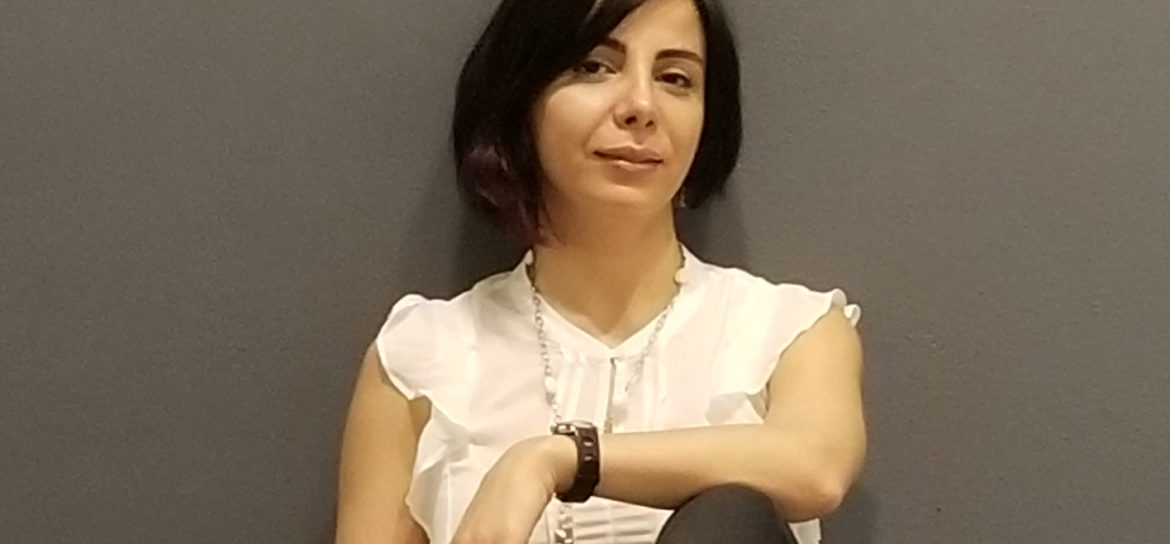
At the centre of Bahar Taheri’s work is a critical reflection on current affairs in society. The social and historical context in which she grew up has had a significant influence on her work. Originally from Iran, Bahar grew up in Tehran. Besides her curiosity and fascination with history, the experience of living in a region beset by political and cultural conflict leads her to trace the roots of these events across time.
Bahar’s choice of medium differs from one project to another, depending on the concept, though she mainly uses painting. Aesthetics and beauty play an important role in her work and she devotes special attention to detail and ornamentation in keeping with her culture baggage.
Bahar’s previous projects have addressed issues of gender, identity, collective memory and the manipulation of the mass media. She is currently conducting research on architectural structure and its relationship to power and religion.

Cécilia Bracmort is an artist and curator with an interest in the cross-disciplinarity, the mixing of genres, and experimentation. She was born in Creil, France, has roots in the islands of Martinique and Guadaloupe, and has lived in Montreal since 2012. Her curatorial and creative work draws on her various layers of identity as much as on the notions of movement (walking, running, performance), spaces, history and memory (memorial spaces and monuments).
Cécilia holds a masters in cultural mediation and communication from Paris III Sorbonne Nouvelle, a bachelors in philosophy of art from Paris I Panthéon Sorbonne, and a bachelors in fine arts from Bishops University. She has participated in numerous theatre and visual arts projects both in Paris and Montreal.
In 2017 Cécilia was an invited curator as part of the Montréal/Havana exchange, in collaboration with the Museo Nacional de Bellas Artes in Cuba. In August 2018 she became administrative coordinator at the artist-run centre articule.
Corinne Beaumier lives and works in Montréal and is a graduate of Concordia University’s Photography program. She has been involved in numerous individual and collective projects. Her first solo exhibition was held in 2014 at the Z Art Space in Montréal, and her work has been included in multiple collective exhibitions across in Quebec, most recently at Studio XX in Montréal in 2018. She has also worked on special projects including murals (Gatineau, 2010) and developed a curatorial practice parallel to her artistic work.
Corinne was selected for an Atlantic Center for the Arts residency in 2015 She was also a finalist for the Aimia AGO Photography Prize Scholarship Program and a nominee for the Scotiabank New Generation Photography Award.

Karen Tam lives and works in Montréal. She holds an MFA in Sculpture from The School of the Art Institute of Chicago and a PhD in Cultural Studies from Goldsmiths (University of London). Her research focuses on the various ways in which cultures and communities are constructed and imagined, using installations that recreate the spaces of Chinese restaurants, karaoke lounges, opium dens, curio shops and other sites of cultural encounters. She questions how the corporeal experience of space allows one to understand its history and community. Using a cultural studies framework, she invites a critical view of contemporary chinoiserie, the impact of the Chinese export trade, and goods produced for ‘Western’ tastes.
She has exhibited her work since 2000 and participated in residencies in North America, Europe, and China, including the Deutsche Börse Residency at the Frankfurter Kunstverein (Germany), Musée d’art contemporain de Montréal (Canada), and CUE Art Foundation (USA). She was a finalist for the Prix Louis-Comtois in 2017 from the Contemporary Art Galleries Association and the Ville de Montréal, a finalist for the Prix en art actuel from the Musée national des beaux-arts de Québec in 2016, and long-listed for the Sobey Art Award in 2016 and 2010. Her works are in museum, corporate, and private collections in Canada, United States, and United Kingdom.
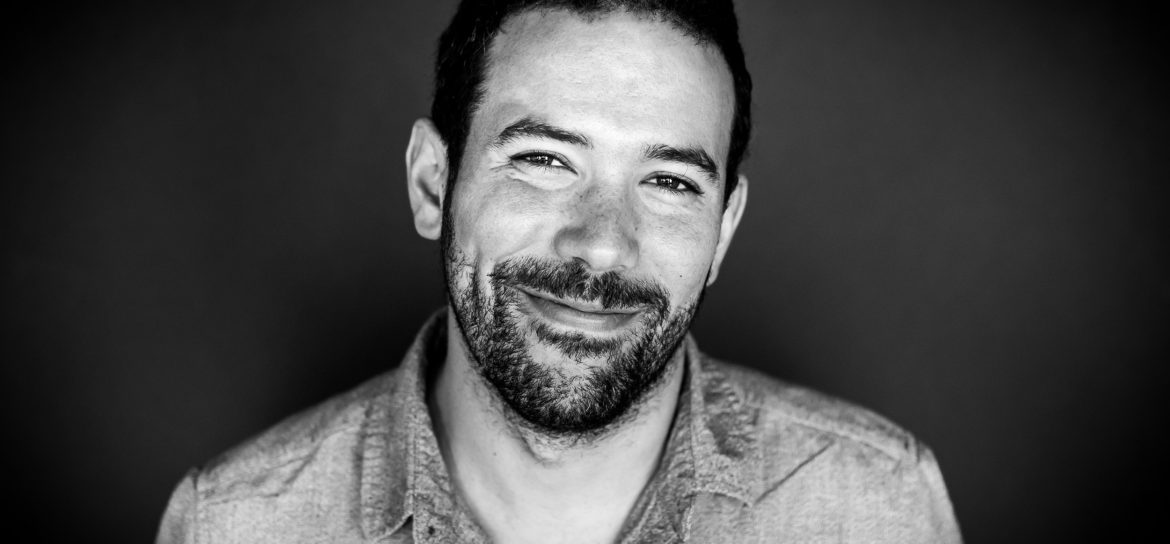
Adrián Morillo is a photographer and videographer based in Montréal. He spent much of his professional career in Spain, working in photography and film production, allowing him to cultivate a unique and personal style focused on the creation of stunning imagery. His desire to grow as a professional photographer led him to Montréal, where he is developing new projects.
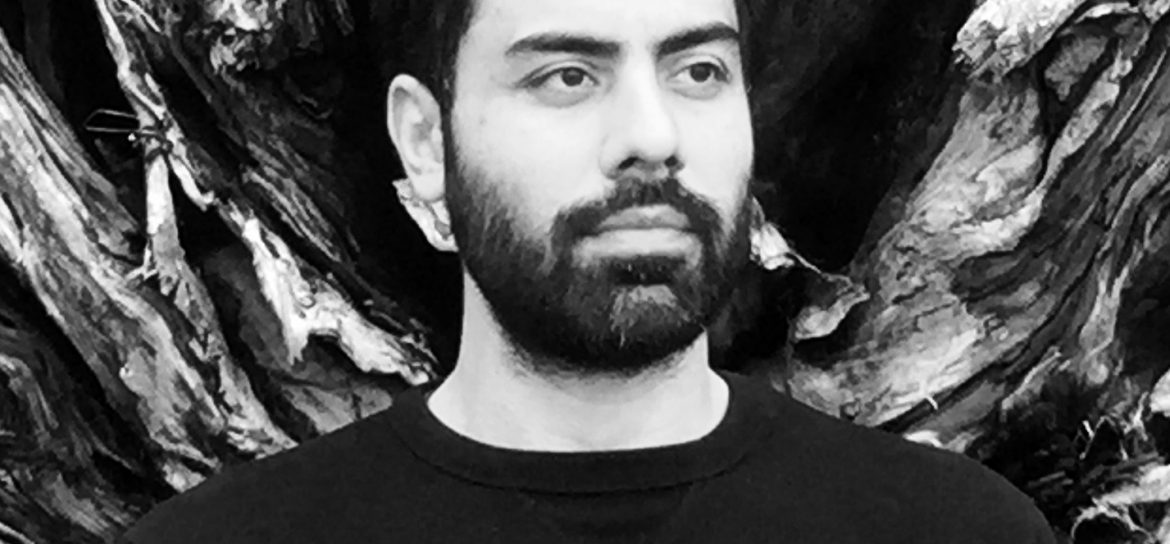
Hadi Jamali is an Iranian-born visual artist currently based in Montréal. Since 2003, Hadi has produced single-channel videos, photographic series, mixed-media works, and interactive installations. His most recent work uses spatialized sound and moving images to examine the link between dominant visual traditions and varying registers of contemporary (dis)location: not only geographic, but also cognitive, temporal and moral.
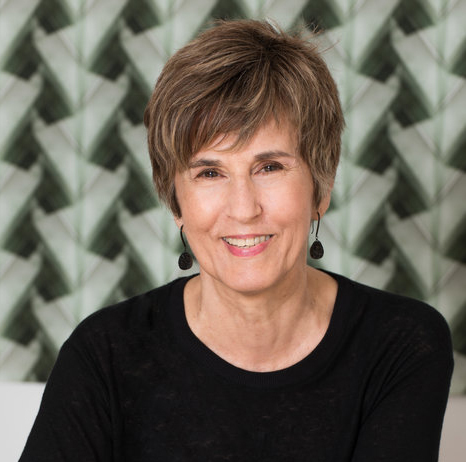
Daphne Boyer is a visual artist of Métis descent whose works on paper celebrate her Indigenous heritage and honour plants as the basis of life on earth. Boyer’s creative process consists of harvesting plant material – leaves, acorns, thorns, berries and reeds – followed by an activity of sorting, grading, and scanning that results in the production of mixed-media artwork. Boyer’s new series of works, gathered under the title So… Anyway, uses ancestral documents, plant material, and women’s traditional handwork (stitching, braiding, beading and hand-tinting) to reflect on family history, ecology, and the rights of Indigenous Peoples.